
| Pcs | Single Vial, Pack of 10 |
|---|
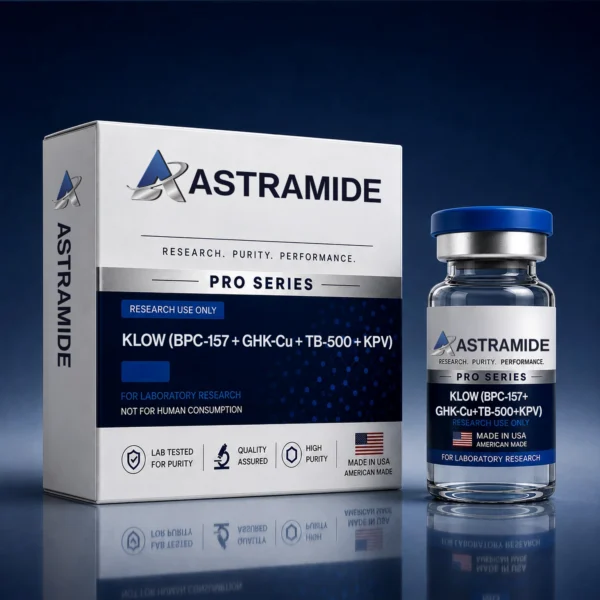
KLOW (BPC-157 + GHK-Cu + TB-500 + KPV) – Pro
Pro Series
A four-component lyophilized blend of BPC-157, GHK-Cu, TB-500 and KPV
BlendLyophilized powder
Price range: $133.00 through $1,260.00
Why the Pro Series costs more
- Synthesized in the USA. Domestic ground and air only, no ocean freight.
- Released only above 99% HPLC purity.
- Its own lot and its own published certificate.
Ships from Austin, TexasUnited States only
Tested by an outside labNever in-house
Every lot publishedIncluding rejected lots
Same-day dispatchOn orders before 2pm ET
BATCH
VERIFICATION
VERIFICATION
LOT NUMBER
SD-260729-1
80 mg vial
IDENTITY
BPC-157 + GHK-Cu + TB-500 + KPV (reported as tested)
CHROMATOGRAPHIC PURITY
99.11%
NET CONTENT — BPC-157
9.87 mg (10 mg label claim)
Quick reference
How to read this report
Same six keys on every Astramide product page. Only the values change.
1Lot numberMatch it to the number printed on your vial. If they differ, this report is not for your vial.
2IdentityMass spectrometry confirms the molecule is the one on the label. It conforms or it does not. There is no partial result.
3Chromatographic purityThe share of the material that is the target peptide. A purity figure quoted without a method is not a purity figure.
4Net contentHow much peptide is in the vial, as measured by the laboratory. A different question from purity.
5EndotoxinMeasured against a ceiling, not a floor. Sensitivity differs by laboratory, so results are not compared across labs.
6Laboratory, method, dateWho ran it, on what instrument, and when. A report with no named laboratory or no date is not a report.
Molecular profile
KLOW (BPC-157 + GHK-Cu + TB-500 + KPV) - Pro, in structural terms.
- Sequence
- BPC-157: Gly-Glu-Pro-Pro-Pro-Gly-Lys-Pro-Ala-Asp-Asp-Ala-Gly-Leu-Val (GEPPPGKPADDAGLV) GHK-Cu: Gly-His-Lys, copper(II) complex TB-500: thymosin beta-4 peptide KPV: Lys-Pro-Val
- Structure type
- Blend
- Primary molecular target
- No single shared target. Published research has examined KPV uptake through the PepT1 transporter, actin monomer binding by thymosin beta-4, GHK copper complexes in extracellular matrix studies, and BPC-157 in a range of pre-clinical models.
- Physical form
- Lyophilized powder
KLOW is a lyophilized blend of four research peptides in one vial: BPC-157 (10 mg), GHK-Cu (50 mg), TB-500 (10 mg) and KPV (10 mg), 80 mg in total. BPC-157 is a 15-amino-acid peptide (GEPPPGKPADDAGLV, C62H98N16O22). GHK-Cu is the copper(II) complex of the tripeptide Gly-His-Lys. TB-500 is a thymosin beta-4 peptide. KPV is the tripeptide Lys-Pro-Val (C16H30N4O4). Each component is identified and measured separately on the certificate.
Research profile
Where KLOW (BPC-157 + GHK-Cu + TB-500 + KPV) - Pro appears in the literature.
Peptide Biology; Cell Biology; Cytoskeletal Biology; Extracellular Matrix Biology; Immunology
Research applications
- Published studies have examined the individual components in:
- BPC-157: pre-clinical models, including nervous system research
- GHK-Cu: copper peptide and extracellular matrix research
- TB-500 (thymosin beta-4): actin monomer binding and sequestration
- KPV: PepT1 transport and NF-κB signaling
- No published study has examined the four-component blend itself.
Experimental systems
- Rodent models (BPC-157)
- Fibroblast and extracellular matrix models (GHK-Cu)
- Purified actin and cultured cell lines (thymosin beta-4)
- Intestinal epithelial and immune cell lines (KPV)
Specific assays
- Actin monomer binding assays
- PepT1 uptake assays
- NF-κB reporter assays
- Extracellular matrix synthesis assays
- HPLC and LC-MS analysis of blend composition
Measured endpoints
- Actin monomer sequestration
- PepT1-mediated peptide uptake
- NF-κB activation
- Extracellular matrix component synthesis
- Content of each component in the blend
Mechanism and research context
What has been studied, and in what systems.
KLOW combines four peptides that have each been studied separately; no published study has examined the blend itself.
BPC-157 is a 15-residue peptide that has been examined in a range of pre-clinical models, including nervous system research (Vukojevic et al., 2022). GHK is a naturally occurring tripeptide that binds copper(II), and the GHK-copper complex has been studied in extracellular matrix and tissue remodeling research (Pickart et al., 2008).
Thymosin beta-4 binds and sequesters actin monomers (Yu et al., 1993). KPV, the C-terminal tripeptide of alpha-MSH, has been shown to enter intestinal epithelial and immune cells through the PepT1 transporter, and its effects on NF-κB signaling have been examined (Dalmasso et al., 2008).
These are published research systems. They do not describe approved clinical applications, and they do not establish efficacy or safety in humans.
Cited literature
Vukojevic J et al., 2022. Pentadecapeptide BPC 157 and the central nervous system. Neural Regen Res. PMID 34380875. https://pubmed.ncbi.nlm.nih.gov/34380875/
Pickart L et al., 2008. The human tri-peptide GHK and tissue remodeling. J Biomater Sci Polym Ed. PMID 18644225. https://pubmed.ncbi.nlm.nih.gov/18644225/
Yu FX et al., 1993. Thymosin beta 10 and thymosin beta 4 are both actin monomer sequestering proteins. J Biol Chem. PMID 8416954. https://pubmed.ncbi.nlm.nih.gov/8416954/
Dalmasso G et al., 2008. PepT1-mediated tripeptide KPV uptake reduces intestinal inflammation. Gastroenterology. PMID 18061177. https://pubmed.ncbi.nlm.nih.gov/18061177/
Evidence level
Each component has its own pre-clinical literature, but no published study has examined the four-component blend. Statements on this page describe experimental systems for the individual components, not outcomes in humans.
Handling and storage
As supplied
Lyophilized powder in a sealed vial. Held in laboratory-rated freezers from arrival to shipment.
Storage
Store per the conditions printed on the vial label. Avoid heat, moisture and repeated temperature cycling.
Handling
For qualified professionals in controlled laboratory environments, following validated laboratory procedures.
Frequently asked questions
About this compound and its batch data.
What is KLOW peptide?
KLOW is a lyophilized research blend of four peptides in one vial: BPC-157 (10 mg), GHK-Cu (50 mg), TB-500 (10 mg) and KPV (10 mg), 80 mg in total. Each component is identified and measured separately on the certificate. KLOW Pro is the Pro Series version, released under its own lot. Sold for research use only.
What has KLOW been examined for in published research?
No published study has examined the four-component KLOW blend itself. Its components have been studied separately: thymosin beta-4 in actin monomer sequestration (Yu et al., 1993, PMID 8416954), KPV in PepT1 transport (Dalmasso et al., 2008, PMID 18061177), GHK-Cu in extracellular matrix research and BPC-157 in pre-clinical models. Astramide makes no claim about outcomes in humans.
What purity does the current KLOW Pro lot reach?
Lot SD-260729-1 returned 99.11% chromatographic purity by RP-HPLC, reported by Optiq Health Labs on 8 August 2026 under sample ID 0556.OPT.260803. All four components, BPC-157, GHK-Cu, TB-500 and KPV, were tested for identity by LC-MS. The lot meets the Pro Series release criterion of at or above 99% HPLC purity. The full certificate is published on this page.
How much of each peptide is in the KLOW Pro vial?
Content is measured per component. For lot SD-260729-1 the laboratory reported BPC-157 9.87 mg (10 mg label), GHK-Cu 48.65 mg (50 mg label), TB-500 9.65 mg (10 mg label) and KPV 9.11 mg (10 mg label). Astramide publishes each measured figure exactly as the laboratory reports it, above or below the label.
How should KLOW be stored for research use?
Lyophilized KLOW is stored at -20°C and protected from light. Once reconstituted, the solution is held at 2 to 8°C and used within 14 to 30 days. Repeated temperature cycling and exposure to moisture should be avoided, because both can affect peptide stability and the comparability of experimental results.
How is KLOW different from GLOW?
GLOW contains three peptides: BPC-157, GHK-Cu and TB-500. KLOW contains the same three plus KPV, the Lys-Pro-Val tripeptide. Each blend has its own lot numbers and its own certificates. A certificate for one blend never applies to the other, and each blend is tested as a blend.
How is Astramide's KLOW Pro tested?
Lot SD-260729-1 was tested by Optiq Health Labs, an independent third-party laboratory. The certificate reports identity by LC-MS, purity by RP-HPLC, content of each component by HPLC, pH 5.7, water activity 0.35 aw, endotoxin (pass at or below 0.05 EU/mg), sterility (no growth), yeast and mold, 20 residual solvents and heavy metals (none detected). Results apply only to this lot.
What is the difference between KLOW and KLOW Pro?
KLOW Pro is part of the Astramide Pro Series. It is American-made, synthesized in the USA, and moves by domestic ground and air only, with no ocean freight. It is released under its own lot, and only when HPLC purity measures at or above 99%. The full certificate for each lot is published on this page. The standard KLOW is released under separate lots with separate certificates.
Research use only
This product is intended strictly for in-vitro laboratory research conducted by qualified professionals. It is not intended for human or animal consumption, clinical use, or therapeutic application. The statements on this page have not been reviewed by the FDA. These research peptides are not intended to diagnose, treat, cure, or prevent any disease. Research Use Only.
COA library
Every lot we have tested
Search by batch number. Past lots stay published.
How we test
The analytical panel
What each method measures and the criterion each lot must meet.
Open Lab
Send us your peptides
Any vendor. Same lab. Your own Certificate of Analysis.
Ships from Austin, TexasUSPS or UPS, your choice
United States onlyFree shipping at $150 and over
Optional shipping insuranceAdded at checkout
Replacement or store creditOn approved claims. See refund policy.
Related products
-
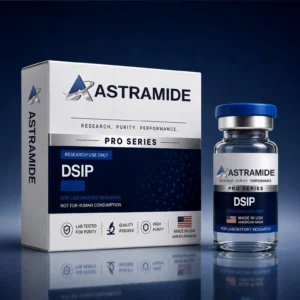 Pro Series
DSIP – Pro
Price range: $35.00 through $320.00Select options This product has multiple variants. The options may be chosen on the product page -
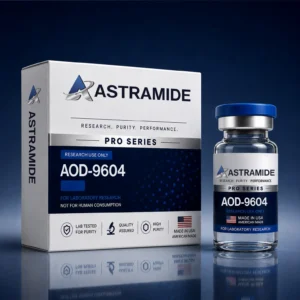 Pro Series
AOD-9604 Pro
Price range: $45.00 through $650.00Select options This product has multiple variants. The options may be chosen on the product page -
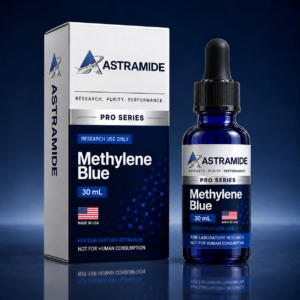 Pro Series
Methylene Blue Pro
$24.99 -
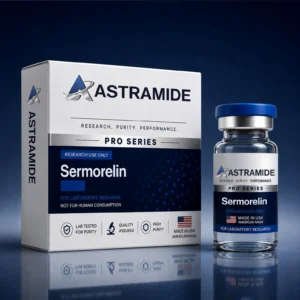 Pro Series
Sermorelin – Pro
Price range: $74.99 through $700.00Select options This product has multiple variants. The options may be chosen on the product page